
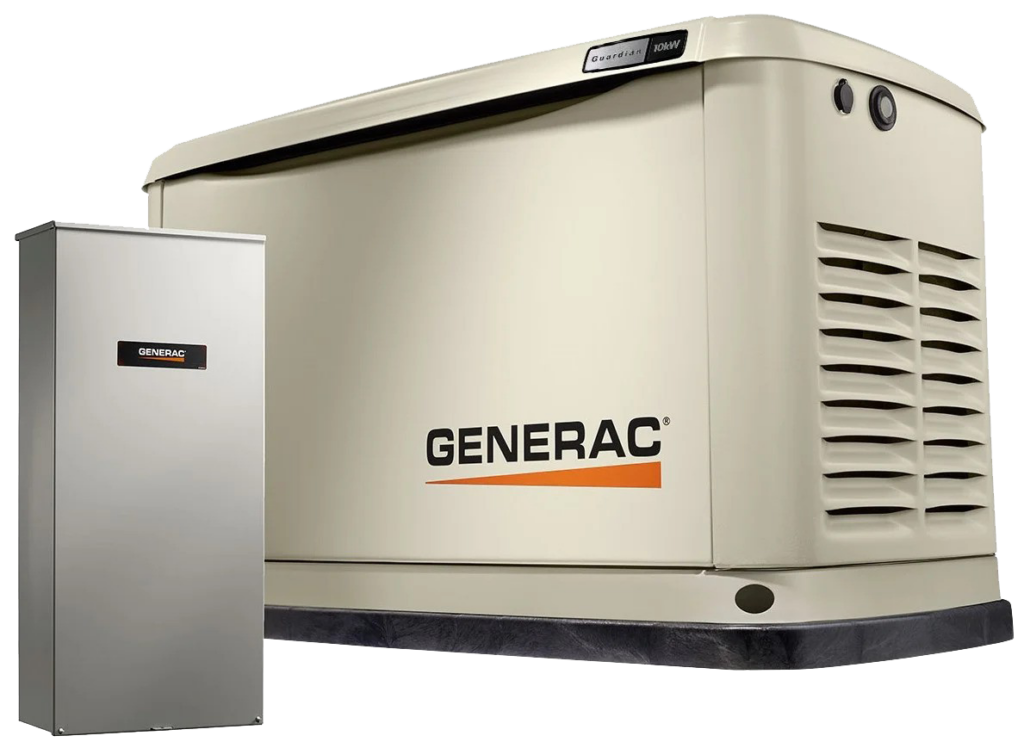
Choosing the Perfect Standby Generator: A Comprehensive Guide
When power outages strike, a standby generator can be a lifesaver for your home or business. Selecting the right size generator is crucial to ensure seamless backup power without overspending or risking insufficient coverage. We’ll walk you through everything you need to know to determine the proper generator size for your specific needs.
Why Generator Sizing Matters
The size of your standby generator impacts both performance and safety. An undersized generator may fail to meet your power demands during an outage, while an oversized unit can lead to unnecessary expenses and inefficient operation. Proper sizing ensures reliable backup, protects sensitive equipment, and maximizes energy efficiency.
Step 1: List Your Essential Appliances and Systems
Start by identifying which appliances and systems you want to keep running during an outage. Common essentials include refrigerators, HVAC systems, lights, sump pumps, medical equipment, and computers. Create a list and note each item’s wattage requirements—this information is typically found in user manuals or on appliance labels. If you can’t find it directly on the appliance, this information is commonly available through the manufacturer’s website. Feel free to use the sheet here.
Step 2: Calculate Total Power Needs
Add up the wattage of all critical devices to estimate your total power requirement. For most homes, this ranges from 14,000 to 24,000 watts, while businesses may require 30,000 watts or more, depending on their operations. Remember to account for starting watts, which are higher than running watts, especially for motor-driven appliances.
Step 3: Consider Local Regulations and Weather Conditions
Local climate can influence generator sizing. Our area, especially in higher elevations, is prone to some extreme winter weather. It’s essential to ensure your generator can handle additional heating (or cooling) loads at any given point in the year. Be sure to consider the usage during all the seasons.
Step 4: Choose Between Whole-House and Partial Backup
Decide if you need a generator to power your entire property or just select circuits. Whole-house generators require higher capacity and professional installation, while partial backup models are more affordable but limited in coverage. Your choice should align with your priorities and budget.
Step 5: Consult With a Professional
Once you’ve estimated your wattage needs, reach out to a generator specialist or licensed electrician. They can help you confirm sizing, recommend reputable brands, and ensure proper installation for optimal safety and compliance.
Frequently Asked Questions
- How do I determine generator size for a business? Calculate the total wattage for essential systems and consider peak usage periods.
- Should I oversize my generator? It’s best to choose a generator that closely matches your needs. Oversizing can waste fuel and increase installation costs.
- Does generator size affect local permitting? Yes, larger generators may require special permits and inspections based on local codes.
Conclusion
Determining the right size standby generator is essential for reliable, cost-effective backup power. By evaluating your needs, considering local factors, and consulting professionals, you’ll enjoy peace of mind during outages. Use this guide to make informed decisions and optimize your generator investment for your property in Vermont or anywhere else.